
Winter in Richmond may not bring the brutal cold of northern states, but our occasional dips below freezing are more than enough to cause serious plumbing problems. Frozen pipes can burst without warning, causing thousands of dollars in water damage and leaving you without running water during the coldest days of the year. The good news? Most frozen pipe disasters are completely preventable with the right preparation.
Why Frozen Pipes Are Such a Serious Problem
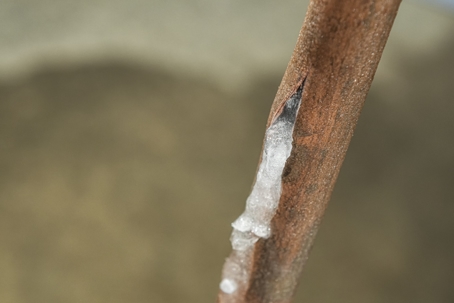
When water freezes, it expands. Inside the confined space of your pipes, this expansion creates tremendous pressure—sometimes exceeding 2,000 pounds per square inch. This pressure can cause pipes to crack or burst, often at weak points or joints. The real damage often doesn't become apparent until temperatures rise and the ice melts, sending water gushing into your walls, ceilings, or basement.
Even worse, frozen pipes don't always burst immediately. Sometimes, they develop small cracks that leak slowly over time, causing hidden water damage and mold growth before you even realize there's a problem.
Which Pipes Are Most Vulnerable?
Not all pipes in your home face equal risk during cold snaps. The most vulnerable pipes include:
Exterior Wall Pipes - Pipes running through outside walls have less insulation protecting them from freezing temperatures.
Unheated Spaces - Pipes in attics, crawl spaces, garages, and basements are especially at risk.
Outdoor Plumbing - Hose bibs, outdoor faucets, and sprinkler system pipes are directly exposed to the elements.
Kitchen and Bathroom Pipes - Pipes along exterior walls in these rooms often lack proper insulation.
Essential Prevention Steps
Insulate Exposed Pipes
Pipe insulation is inexpensive and easy to install. Focus on pipes in unheated areas first—your attic, crawl space, and garage. Foam pipe insulation sleeves are available at any hardware store and can be cut to fit any length of pipe. For outdoor faucets, consider insulated faucet covers that provide an extra layer of protection.
Seal Cracks and Gaps
Cold air can sneak into your home through surprisingly small openings. Walk around your home's exterior and seal any cracks or gaps near plumbing with caulk or spray foam insulation. Don't forget to check where pipes enter your home, around windows near sinks, and in basement rim joists.
Disconnect and Drain Outdoor Hoses
Before the first freeze, disconnect all garden hoses from outdoor faucets. Drain the hoses completely and store them for winter. Water left in attached hoses can freeze and expand back into your home's plumbing, causing damage to the faucet and the pipe behind it.
Let Faucets Drip During Extreme Cold
When temperatures are forecast to drop below freezing, allow faucets connected to vulnerable pipes to drip slightly. Moving water is much harder to freeze than standing water, and the small amount of water you'll use is far less expensive than dealing with a burst pipe. Focus on faucets along exterior walls.
Maintain Adequate Heat
Never let your home's temperature drop below 55°F, even when you're away from home. If you're leaving for an extended winter vacation, consider setting your thermostat even higher, around 60°F, for added protection. The modest increase in your heating bill is worth avoiding a plumbing catastrophe.
Open Cabinet Doors
During particularly cold nights, open the cabinet doors under sinks, especially those on exterior walls. This allows warmer air from your home to circulate around the plumbing, keeping pipes above freezing temperature.
Consider Pipe Heat Tape
For pipes that are especially vulnerable or have frozen in the past, electric heat tape or heat cables can provide additional protection. These must be installed according to the manufacturer's instructions to prevent fire hazards, so consider having a professional install them if you're uncertain.
What to Do If Pipes Freeze
If you turn on a faucet and only a trickle comes out, you likely have a frozen pipe. First, keep the faucet open: as the frozen area melts, water and steam need a place to escape. Second, apply heat to the frozen section using a hair dryer, heating pad, or warm towels. Never use open flames, as this can damage pipes and create fire hazards.
If you can't locate the frozen area, if the pipe has already burst, or if you're dealing with frozen pipes in a hard-to-reach location, it's time to call the professionals.
When to Call Blazer Heating, Air, and Plumbing
Don't wait until disaster strikes. If you're concerned about vulnerable pipes in your home, our experienced plumbers at Blazer Heating, Air, and Plumbing can assess your risk areas and recommend the right solutions. And if you're already dealing with frozen or burst pipes, we provide emergency plumbing services 7 days a week.
Contact us online or call (804) 277-2458 for expert plumbing services in Richmond and the surrounding areas. We'll help you protect your home from winter's worst plumbing challenges.